Buying Guide —
Tile vs LVP: Which Floor Wins in the Inland Empire and North County
Tile and LVP get pitched as rivals, but they are really two answers to two different questions. Here is the honest trade-off on durability, water, comfort, and cost, plus the room-by-room call we make on IE and North County jobs.
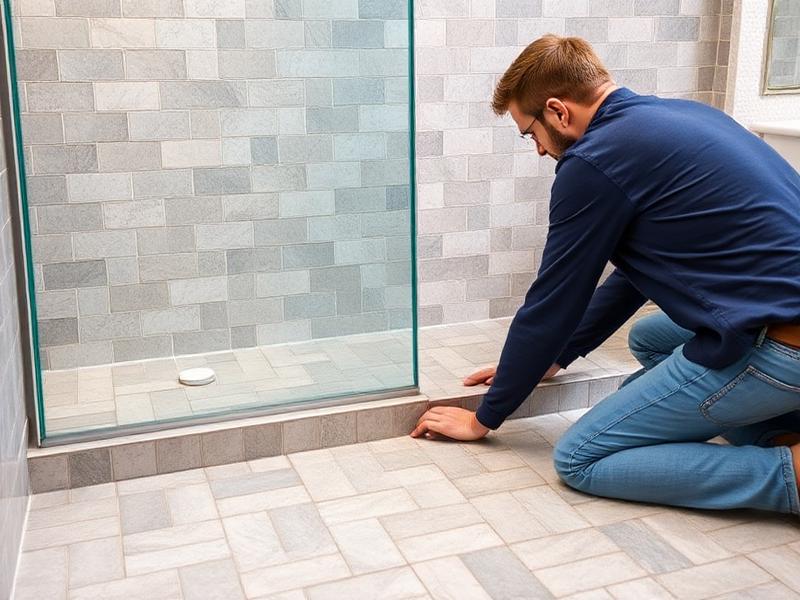
At Big Head Flooring, the tile-versus-LVP question usually comes up after someone has already been told "just do LVP everywhere" by a big-box salesperson or "tile is the only thing that lasts" by a neighbor. Both takes are half right. The honest answer is that porcelain tile and waterproof SPC-core LVP solve two different problems, and the smart move is matching each one to the rooms where it actually wins. Get the match wrong and you either overspend on labor you did not need or you put a floor in a wet room it cannot survive.
Tile and LVP are not really competing for the same job. They are two answers to two different questions about water, comfort, and how long you plan to live with the floor.
We have pulled up enough failed installs across the Inland Empire and North San Diego County to skip the sales pitch. We are licensed and insured, we run ASTM moisture testing on every slab, and we will tell you where tile is worth the extra labor and where LVP is the smarter call. No shortcuts.
Tile vs LVP: the honest trade-offs
Porcelain tile and SPC-core (stone polymer composite) LVP are built for different strengths, and knowing which strength you actually need is most of the decision. Tile is a hard, fired ceramic surface. LVP is a rigid plastic-core plank with a printed film and wear layer. That difference drives everything else:
- Durability and heat: Porcelain is close to bulletproof. It shrugs off dragged furniture, dog nails, and a hot pan set down without a trivet. West-facing rooms out here build serious surface heat across 275-plus sunny days a year, and tile does not care. SPC-core LVP is dimensionally stable to roughly 130 degrees subfloor temp, which covers most rooms, but it will scratch and dent under abuse that tile ignores.
- Water: This one is a wash for the floor surface itself. Both are waterproof on top. The difference is what happens at the seams and edges in a true wet zone, which is where tile with a proper membrane pulls ahead (more on that below).
- Comfort and sound: LVP wins here and it is not close. It is warmer and softer underfoot, quieter to walk on, and easier on the knees and lower back if you stand in a kitchen for an hour. Tile is hard and cold, which some people love and others regret in a bedroom.
- Cost: LVP is the lower-cost install in almost every case. Tile carries more labor: substrate prep, back-butter thinset, grout, and cure time all add hours. You are paying for a floor that outlasts the LVP by a wide margin, but the up-front number is higher.
The mistake we correct most often: someone tiled a whole house for durability and now regrets the cold, hard bedrooms, or someone ran LVP into a curbless shower where only a membraned tile assembly belongs.
Is tile or vinyl better for a bathroom?
For a full bathroom with a shower or tub, tile with a proper waterproof membrane is the better call, and here is the specific reason. LVP is waterproof on its surface, but a bathroom's real risk is water getting past the floor plane at the shower and wicking into the subfloor and framing. That is a job for a bonded, tested waterproofing system, not a floating plank floor.
When we build a wet bath, the waterproofing is the part you never see and the part that matters most:
- Membrane first. We install a Schluter Kerdi or Laticrete Hydro Ban waterproof membrane across the shower pan and walls before any tile goes down. That membrane, not the tile, is what keeps water out of the structure.
- A real flood test. Every shower pan gets a 24-hour flood test before tile. If it holds water overnight, it is sealed. If it does not, we find out before the walls close, not after your ceiling downstairs stains.
- Full back-butter thinset. Each tile is back-buttered with modified thinset for full coverage, so there are no hollow spots under the tile where a crack can start.
- Epoxy grout in the wet zone. Wet areas get epoxy grout, which does not absorb water or stain the way cement grout can.
Premixed adhesive is never used in wet areas, full stop. It does not cure properly in a constantly damp environment, and it is the single most common shortcut we find when we tear out a failed shower someone else built.
That said, LVP absolutely has a place in a bathroom. A powder room or a laundry-adjacent half bath with no shower is a great fit for waterproof SPC-core LVP: lower cost, warmer underfoot, and no membrane needed because there is no standing-water risk. Our waterproof SPC-core LVP installation is the budget-smart answer in those dry-ish rooms, and our waterproof bathroom remodeling is where the membraned tile assembly belongs. For a broader look at wet-room options, see our waterproof flooring breakdown.
Where each floor wins, room by room
Here is how we split a typical IE or North County home when a client wants the right material in each room instead of one product forced everywhere:
- Showers and tub surrounds: Tile with a Kerdi or Hydro Ban membrane. Nothing else belongs here.
- Full bathrooms: Tile on the floor and wet walls. It handles standing water, mopping, and humidity for decades.
- Kitchens: Either works. Large-format porcelain (12x24 and up) is the premium call for spill and heat resistance near the range and sink. LVP is the comfort-and-cost call if you stand and cook a lot. See our kitchen flooring options for both.
- Laundry rooms and mudrooms: Tile if you want maximum durability against grit and standing water, LVP if cost and comfort matter more and leaks are unlikely.
- Living rooms, bedrooms, hallways, stairs: LVP, most of the time. It is warmer, quieter, softer, and cheaper, and these rooms rarely see standing water.
- Coastal homes in Oceanside and beach-side Vista: Both survive salt air and marine humidity fine. We spec stainless or aluminum transition strips either way so the metal does not corrode.
The prep both floors share: flatness and moisture
This is the part almost every comparison skips, and it applies to tile and LVP equally. Neither floor performs on a substrate that is out of spec, and the prep is the difference between a floor that lasts and a warranty claim that gets denied.
The 3/16-over-10 flatness reality
Both materials need the substrate flattened to the same threshold: 3/16 inch over 10 feet. Tile telegraphs a wavy slab as lippage, where one tile edge sits proud of the next and you feel it with a bare foot. LVP over a wavy slab flexes, and the click joints work loose over time. We flatten with self-leveling underlayment before either floor goes down, and we flag flexible polyurea crack filler on active slab cracks rather than rigid epoxy that just re-cracks.
The moisture test that comes first
Nearly every newer home out here is slab-on-grade, and slabs hold moisture you cannot see. Near Lake Elsinore we have logged calcium chloride results as high as 8 pounds per 1,000 square feet, well past what most floating LVP floors are rated for. Lakeside humidity and fill-dirt slabs make it worse, and older Escondido homes around Grand Avenue and Washington Park are pier-and-beam with crawl spaces, a completely different moisture profile.
- We run ASTM F1869 calcium chloride and ASTM F2170 relative humidity testing on the slab before we spec either floor.
- We confirm the slab meets the 3/16 inch over 10 feet flatness threshold the plank or tile warranty requires.
- We match the setting or floating method to what the test actually reads, not to what the box promises.
Tile is more forgiving of a damp slab because it bonds directly with thinset over a properly prepped, and where needed membraned, substrate. LVP floats and traps whatever the slab gives off, so a high moisture reading pushes the decision toward tile or toward a mitigation step. That is exactly the kind of call the moisture test makes for you. Ready when you are: call (760) 216-2984 for a free estimate.
When neither the premium tile nor the whole-house LVP is your answer
We are not going to talk you into tiling a floor that should be LVP or into LVP where only a membraned tile assembly belongs. If your project is a set of dry bedrooms and hallways on a budget, do not let anyone sell you porcelain there. LVP is warmer, cheaper, and completely appropriate. If your project is a curbless walk-in shower, do not let anyone run a "waterproof" plank into it. Only a Kerdi or Hydro Ban membrane with a flood-tested pan belongs in that space, and skipping it is how ceilings stain and framing rots.
The honest split: tile earns its higher cost in wet rooms and high-abuse zones where it will outlast LVP by decades. LVP earns its place in the dry, comfort-first rooms that make up most of a house. A whole-home floor in one material is fine when the rooms genuinely share a need, but forcing one product everywhere usually means overpaying in the dry rooms or underprotecting the wet ones.
Frequently asked questions
Is tile or LVP more expensive to install?
LVP is the lower-cost install in almost every case. Tile carries more labor: substrate flattening, full back-butter thinset, grout, and cure time all add hours, and wet-area tile adds a waterproof membrane and a 24-hour flood test on top of that. You are paying for a floor that outlasts LVP by a wide margin, but the up-front number is higher. The exact spread depends on your slab condition and the size of the tile, which is why we run the moisture and flatness check before we quote anything. We give upfront, honest quotes with no hidden fees after the site visit.
Which lasts longer, tile or vinyl plank?
Porcelain tile lasts longer, and it is not close. A properly set tile floor over a flattened, moisture-tested substrate routinely goes decades without a wear issue, because the surface is fired ceramic that does not scratch, dent, or fade under the heat and UV we get across 275-plus sunny days a year. Quality SPC-core LVP is durable and waterproof, but its wear layer will eventually scratch or dull, and click joints can loosen if the slab was never flattened to the 3/16 inch over 10 feet spec. If longevity is the only priority and cost is no object, tile wins. If comfort and budget matter and the room stays dry, LVP is the better all-around value.
What is the best waterproof flooring for a bathroom?
For a full bathroom with a shower or tub, the best waterproof floor is tile set over a Schluter Kerdi or Laticrete Hydro Ban membrane, with the shower pan flood-tested for 24 hours before any tile goes down. The membrane, not the tile surface, is what keeps water out of the subfloor and framing. For a powder room or half bath with no shower, waterproof SPC-core LVP is a solid, lower-cost choice because there is no standing-water risk. We never use premixed adhesive in a wet area, because it does not cure in a damp environment and it is the most common cause of the failed showers we tear out.
Do you serve my city?
We serve Escondido, Lake Elsinore, Menifee, Murrieta, Oceanside, Temecula, Vista, and Wildomar across the Inland Empire and North San Diego County. We are licensed and insured, back our work with a two-year labor warranty, and offer free estimates on every project.
Get the right floor spec'd for each room
Do not force one material through a whole house and hope it fits every room. Let us moisture-test and flatten the slab, then spec tile where durability and water demand it and waterproof LVP where comfort and budget win. Call (760) 216-2984 for a free estimate, see our tile installation with full back-butter coverage, or read about our waterproof SPC-core LVP installation. Installed right the first time, guaranteed.