HOA Guide —
IIC 50 Sound-Rated Flooring for HOA Upstairs Units in the Inland Empire
In Murrieta, Menifee, and Temecula tract-home HOAs, an upstairs hard-surface floor usually has to hit an IIC 50 sound rating before the board will approve it. Here is what that number means, why the box claim on the plank does not satisfy it, and how we spec an assembly that passes.
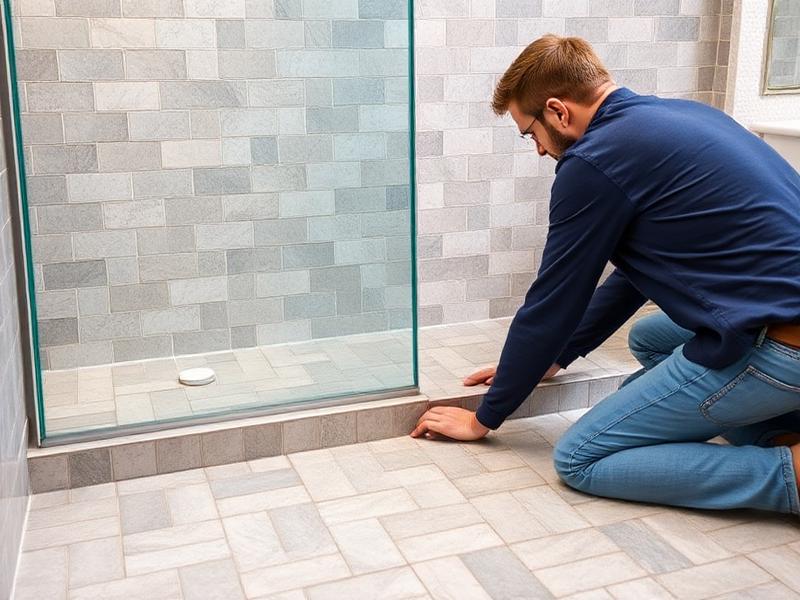
At Big Head Flooring, the call we get most often from HOA tract communities in Murrieta, Menifee, and Temecula is some version of "the board says I need an IIC 50 rating before I can put hard flooring upstairs, and I have no idea what that means." Here is the short version we give before we ever measure a room: your HOA is not asking about how the floor looks or even how quiet it feels to you. It is asking whether the floor assembly, plank plus underlayment over your slab, hits a documented impact-sound number so the neighbor below does not hear every footstep. Get that number wrong on paper and the board denies the install, no matter how good the floor is.
Your HOA is not asking how the floor looks. It is asking whether the assembly hits a documented impact-sound number so the neighbor below does not hear every footstep.
We work these exact HOA communities across the Inland Empire, and we spec manufacturer-approved underlayment to the sound rating the association requires. We are licensed and insured, we run ASTM moisture testing on every slab, and we will tell you straight what assembly passes and what documentation the board wants to see before you order a single box of flooring. No shortcuts.
What is an IIC 50 sound rating for flooring?
IIC stands for Impact Insulation Class, and it measures how well a floor-ceiling assembly blocks impact noise, footsteps, dropped keys, a chair sliding, from passing down to the unit below. Higher numbers block more sound. An IIC 50 rating is the threshold most Inland Empire tract-home HOAs set for hard-surface flooring on an upstairs unit, and it is a lab-tested rating of the whole assembly, not a property of the plank by itself.
That last part is the part that trips up most homeowners. Here is what actually matters:
- IIC rates the assembly, not the plank. The number comes from testing the finished floor build (the flooring, the underlayment, and the structural floor beneath) as a system. Swap the underlayment and the rating changes.
- The box claim is marketing, not your HOA rating. A plank labeled "quiet" or with an attached pad rated at some IIC figure was usually tested over a specific assembly in a lab. If your build is different, that number does not automatically apply to your unit.
- Impact noise is the concern, not airplane-overhead noise. IIC is specifically about footfall and impact through the floor, which is exactly the complaint that drives HOA hard-surface rules in the first place.
The mistake we correct most often: someone buys "IIC 50 rated" flooring off a big-box shelf because the box says 50, then the board rejects it because the rated assembly on the spec sheet does not match how the floor is actually going down.
For a floor that also has to survive an Inland Empire summer, the sound assembly and the moisture and heat spec have to work together. That is the same systems thinking we bring to every professional flooring installation, where the underlayment is chosen to satisfy both the manufacturer warranty and the HOA sound requirement at once.
Does my HOA require sound-rated underlayment upstairs?
If you own an upstairs unit in a tract-home HOA in Murrieta, Menifee, or Temecula, there is a good chance the answer is yes, and the requirement lives in your CC&Rs or the association's architectural guidelines. IIC 50 is the typical threshold these boards set for replacing carpet with any hard surface (LVP, laminate, engineered wood, or tile) on a floor that sits over another unit. The rule exists to protect the downstairs neighbor from footfall noise, and the board enforces it at the approval stage.
Here is how the approval process usually runs, and where people get stuck:
- You submit an architectural request. Most HOAs want the flooring product and the underlayment listed, often with the manufacturer spec sheet showing the assembly's tested IIC rating.
- The board checks the rated assembly against the requirement. They are looking for documentation that the specific build hits IIC 50 (or whatever your community sets), over the floor type you actually have.
- Approval comes before install, not after. Install first and hope for the best, and you risk being ordered to tear it out. We spec to the documented requirement up front so the paperwork clears the first time.
The honest read: if you are upstairs over a neighbor, assume a sound rating applies and pull your CC&Rs before you shop. If you are on a ground-floor slab with no unit below, the rule usually does not apply to you at all.
This is exactly why we spec manufacturer-approved underlayment matched to the rating your association requires, and why we ask for your community's requirement before we quote. Ready when you are: call (760) 216-2984 and we will help you read the requirement before you spend a dollar on material.
What flooring assemblies actually hit IIC 50 over a concrete slab
Here is the piece the generic guides skip: nearly every newer tract home in Murrieta, Menifee, and Temecula is slab-on-grade, so even an "upstairs" unit typically sits on a concrete floor, not a wood-joist cavity with insulation to help absorb sound. Concrete transmits impact energy efficiently, which means the underlayment is doing almost all of the acoustic work. That changes what assembly you need compared to a wood-frame building.
"Over a concrete slab there is no joist cavity to help you. The underlayment is carrying the sound rating almost by itself, so it is not the place to save fifteen dollars a roll."
A few things decide whether the assembly clears IIC 50:
- The underlayment is the lever. A dedicated acoustic underlayment, chosen to the manufacturer's tested assembly, is what carries an SPC or laminate floor to the rating. A thin foam pad off the shelf is not the same product.
- The rated assembly has to match your build. We spec the underlayment the flooring manufacturer tested to IIC 50 over concrete, so the spec sheet you hand the HOA reflects the floor that actually goes down.
- Tile is its own conversation. For large-format tile over a slab in an HOA unit, the sound assembly uses an uncoupling or acoustic membrane designed for the rating, set with modified thinset and full back-butter coverage. Our large-format tile work with HOA-approved sound assemblies covers how we build and document that.
- Flatness still governs. The slab has to meet the 3/16 inch over 10 feet flatness threshold your plank's warranty requires before any of this, sound assembly or not.
If you are in Temecula specifically, our tile installation for Temecula HOA upstairs units page walks the local approval specifics on an actual job.
When a sound-rated floor is NOT your problem
We are not going to sell you an acoustic assembly you do not need. If your unit is on a ground-floor slab with no living space beneath it, the IIC requirement almost certainly does not apply to you, because there is no downstairs neighbor to protect. Same if you are in a detached single-family home with no HOA hard-surface rule. In those cases, we spec the underlayment your floor and slab need for moisture and warranty, and you skip the sound premium entirely.
Where the sound-rated assembly is worth every dollar: any upstairs unit over another home in a Murrieta, Menifee, or Temecula HOA, where the board will hold your install to a documented IIC 50 rating. Where it is money you do not need to spend: a ground-floor slab or a detached house with no unit below and no HOA rule requiring it. If you are not sure which one you are, pull your CC&Rs or call us and we will read the requirement with you.
Frequently asked questions
What is the best underlayment for IIC 50 LVP over a concrete slab?
For an SPC or LVP floor going down over a concrete slab in an HOA unit, the right underlayment is a dedicated acoustic underlayment that the flooring manufacturer has tested to an IIC 50 assembly over concrete, not a generic foam pad off the shelf. Because a slab has no joist cavity to help absorb impact, the underlayment carries almost the entire sound rating, so matching it to the manufacturer's tested assembly is what makes the number hold. We spec manufacturer-approved underlayment to the rating your HOA requires and hand you the spec sheet that documents it. The slab still has to pass the 3/16 inch over 10 feet flatness check first, because a floating floor over a wavy slab has its own problems.
Does the IIC rating on the flooring box mean my floor passes the HOA?
Not on its own. The IIC figure printed on a product was measured over a specific tested assembly in a lab. If your actual build, the underlayment and the structural floor beneath, does not match that tested assembly, the number does not automatically apply to your unit, and an HOA board that reads spec sheets will catch the mismatch. We spec the assembly the manufacturer actually tested to IIC 50 so the documentation matches the floor going into your home.
Do I need HOA approval before installing hard flooring upstairs?
In most Murrieta, Menifee, and Temecula tract-home HOAs, yes. Replacing carpet with any hard surface on an upstairs unit typically requires an architectural request, and the board wants documentation that the assembly meets the community's sound rating (commonly IIC 50) before it approves. Approval comes before the install, so we spec to the documented requirement up front rather than risk a tear-out order later.
Do you serve my city?
We serve Escondido, Lake Elsinore, Menifee, Murrieta, Oceanside, Temecula, Vista, and Wildomar across the Inland Empire and North San Diego County. We are licensed and insured, back our work with a two-year labor warranty, and offer free estimates on every project.
Get an HOA-approved floor spec'd right the first time
Do not order flooring and hope the board signs off. Let us read your HOA's sound requirement, spec manufacturer-approved underlayment to the IIC 50 assembly it calls for, and hand you the documentation the architectural committee wants to see. Call (760) 216-2984 for a free estimate, see our large-format tile with HOA-approved sound assemblies, or read about tile installation for Temecula HOA upstairs units. Installed right the first time, guaranteed.